
Hakomi
Mindfulness-based Somatic Psychotherapy
Image: Mark Stoop
What is somatic psychotherapy?
Somatic psychotherapy recognises the increasingly well-accepted fact that we are not just our thoughts, or the stories we tell. We are wonderfully complex beings of inter-related experiences- weaving between the mind and body, our belief systems and muscles, the nervous system and senses.
To fully understand our patterns and experiences we need to
listen deeply to the full landscape of self.
In somatic psychotherapy, we pay attention to emotions, beliefs, internal dialogue, sensations, muscular contractions and impulses, numbness, breathing, eyes, movement. The best way to do this is in the present moment, which we call mindfulness.
Hakomi is a mindfulness-based form of somatic psychotherapy which is at the core of all my work. From this foundation, I weave-in Internal Family Systems (IFS) and art practices.
Outdoor sessions are an option to include
the wider body of the natural world
into our enquiry.
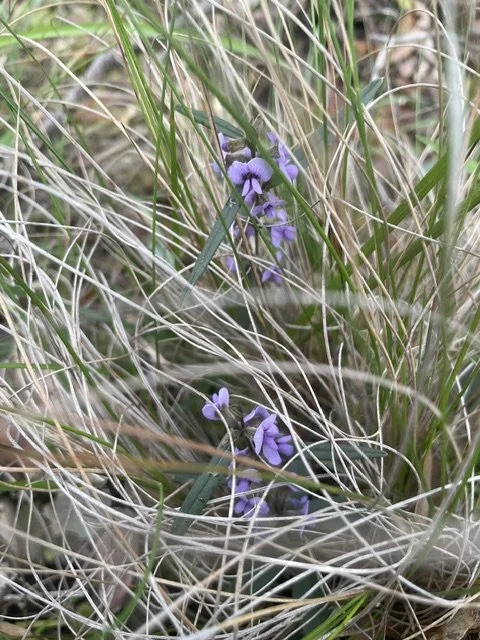
Kangaroo Ground
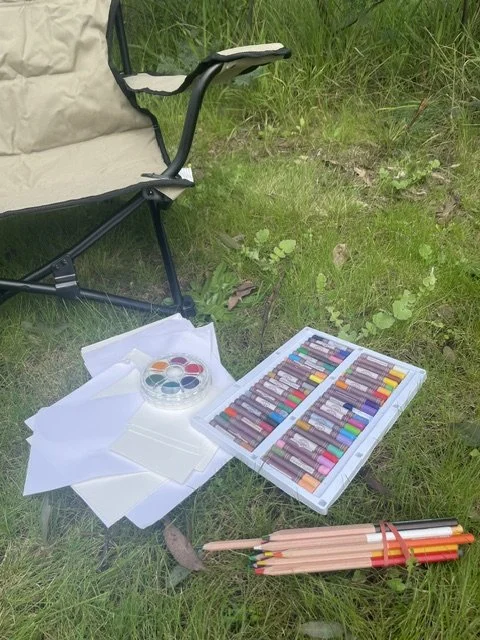
Eltham parklands
Hakomi can support connection with our authenticity, essential self and vitality, and allow our inner landscape to be a far kinder place to live.

Hakomi is founded on a deep belief that all beings hold innate wisdom, vitality and natural organic impulses towards healing.
Habitual patterns:
And moving towards more full and satisfying life
Most of us recognise that the way we show up in the world is shaped in-part by earlier experiences (childhood, adult relationships and society). Many patterns are very helpful and continue to serve us well in life.
The patterns which bring us to psychotherapy are those that trip us up. They have us acting out of alignment with our values and hopes. They block us from seeing the reality in front of us.
We are often aware of some of these patterns and even have ‘doh’ moments “why have I done that again?”
Other patterns fly beneath the radar because they just feel ‘true.’

Through the use of mindfulness, and attention to the body, Hakomi is powerful in helping you notice and understand patterns. We do this by noticing with compassion and the warm knowing that being human is a tricky business and we’re all in this together.
To see ourself clearly takes courage, and genuine compassion.
Hakomi has some beautiful, and often fun, practices. As we bring patterns to conscious awareness, we begin to have more choice. We can move towards our values and seeing the world, including ourself, more clearly.
We can return to greater fullness of life and vitality.

We all have landscapes that particularly speak to us.
For me it is the desert.
I find that these vast and spacious places capture the atmosphere of Hakomi - inviting us to slow down, deepen the breath, notice the gentle beauty of small details, widen our view to the horizon
to make space for everything. The vastness invites us to step out of over-identification, to explore a bigger sense of self.
Do you have landscape which could act as a mentor
for your therapy journey?
The role of mindfulness
Mindfulness involves moving slowly, and observing what is arising moment by moment. This allows us to notice so much more of your experience than in every day awareness.
This deep listening creates a great intimacy with your own inner world, and tends to feel quite special.
It’s ok if mindfulness is new for you. My role as the therapist is to guide the process and also support you growing your mindfulness capacity. You only need to bring a willingness to try.
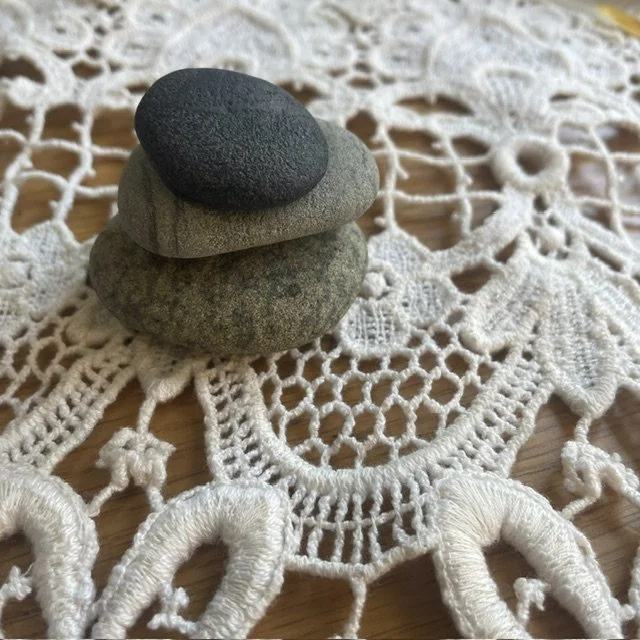
Mindfulness and courage
We often associate mindfulness with relaxation, which is part of the whole, but it also takes attention and courage to be with some of what is real within us.
We see both what we know and accept, and also what feels unacceptable (shadow and wounding). It can take courage to sit-with, and observe shame, fear and pain.
Hakomi includes building resources, resilience, courage and humility so that we can maintain mindfulness in these landscapes. Compassion for ourselves and others is a central skill.
These skills are invaluable for everyday life, healthy relationships and a supporting a sense of wholeness.
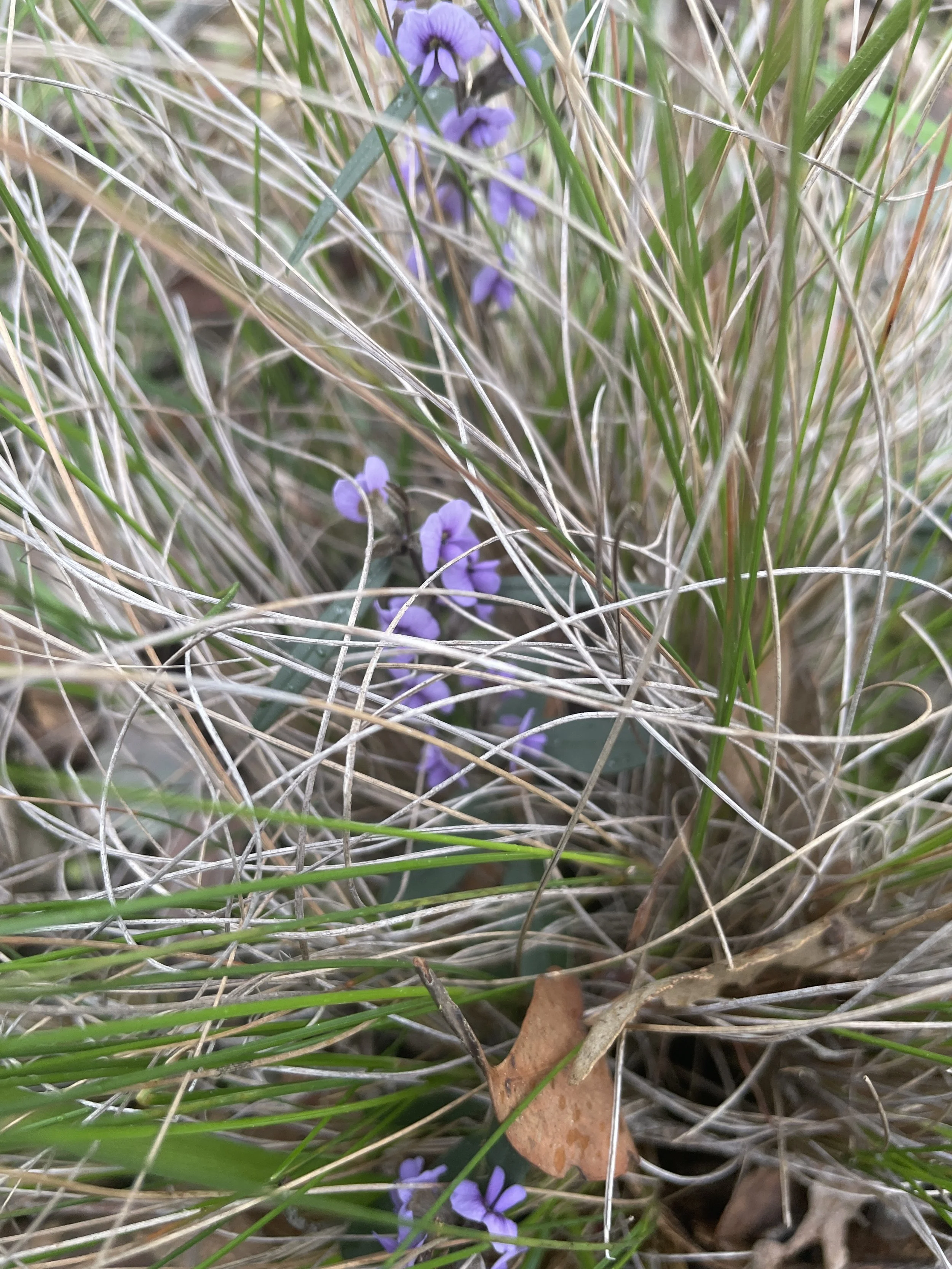
Hakomi uses mindfulness to help us listen to what is happening right now, and what your body is trying to tell you.
Resources
I enthusiastically recommend this stunning and expansive short book aimed for clients and therapists orientating themselves to the values and feel of Hakomi Grace Unfolding: Psychotherapy in the Spirit of Tao-Te Ching.
Check out the central website for Hakomi in Australia for upcoming workshops, training, resources and other practitioners and supervisors.
Further descriptions of this modality and its theoretical underpinnings from the Hakomi Institute.
An idea of some of some practices a Hakomi sessions might include.
Somatic psychotherapy training
My training in Hakomi includes completion of the three-year Professional Training program at the Australian Hakomi Institute; One-year Hakomi Embodied Awareness Relationship Training H.E.A.R.T; Level one of Trauma to Dharma with Manuela Mischke-Reeds; and Character Training with Jules Morgaine; Core training with The Right Use of Power Institute which articulates the ethical grounding of the Hakomi method; Plus attendance and assisting at multiple Hakomi workshops over the last 6 years.