IFS and
Expressive Arts
What is IFS?
Internal Family Systems (IFS) is a mindful study of the parts of ourselves. ‘Parts’ are consistent states we can find ourselves in - which shape our decision-making, how we perceive ourself and others and what we even believe is possible. One part might be a bit intrigued by the use of art in therapy, while another part criticises and says ‘you’re not good at art, you’ll embarrass yourself’. Hopefully another part might remind you ‘it’s Sarah’s job to guide the process, it might even be fun’.
By getting to know our parts, how they developed and how they are attempting to take care of us, we can begin to make more conscious choices.
IFS is a self-compassion-based therapy and supports you to accept all of yourself. Accepting all parts doesn’t mean ‘anything goes’. Actually, we become more skilled in consciously deciding ‘who’ should be in the ‘driver’s seat’ at a given time, who might be in an ‘advisory role,’ and who may need to step aside and be soothed while another part leads the way. Rather than being reactive or hijacked by triggers, we sim to step into more agency and a values-based life.
IFS and Hakomi are very complementary approaches. Depending on your interest, we can blend these or focus on one. We also can either explore parts with expressive arts or use Hakomi-based practices of embodiment, often we blend the two. We will weave the session together.
“Imbalanced systems,
whether internal or external, will tend to polarize.”
- Richard Schwartz
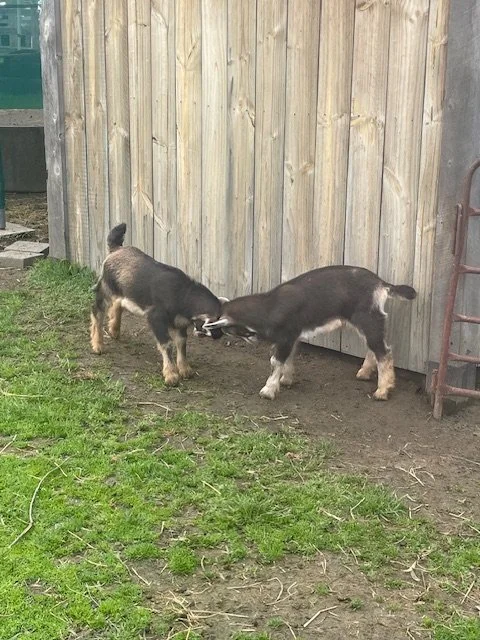
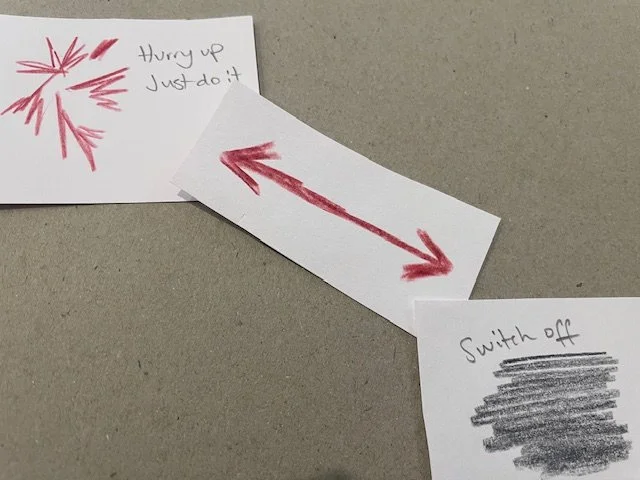
Working with polarised parts often arises in IFS sessions. These are parts with opposite beliefs about how to proceed… For instance we might have a hard task ahead and part of us want to ‘hurry up and just get it done’, while another part of us is overwhelmed and shuts down. The more we shut down the more frustrated the ‘hurry up’ part gets. The more that part internally screams ‘hurry up’ the more the other shuts down. You might recognise this dynamic?
Pushing more isn’t the solution, and shame often further polarises the system. The way forward is actually to pause and listen, understand both perspectives better, and more deeply. Where did these coping strategies come from? What do they really want for you? In most cases deep-down they’re not as opposed as they seem. For instance, perhaps both parts are trying to find a way to avoid failure and shame, but have different beliefs about how best to achieve that. Understanding this, helps us to find a new way forward that meets this need.
Why expressive arts
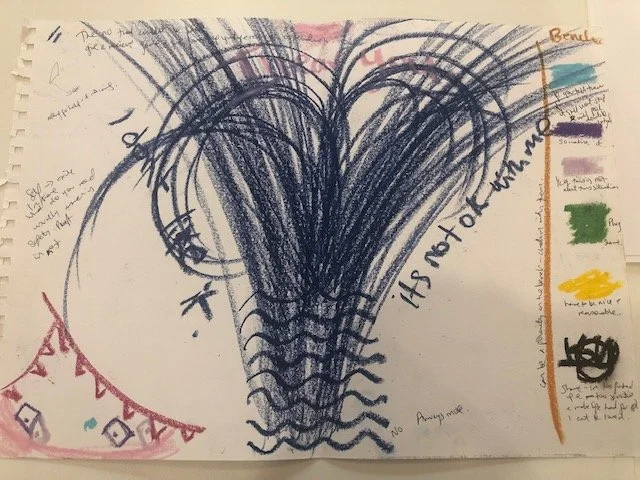
There are a whole lot of reasons that including expressive arts helps… and it’s not about making a nice piece of art. Benefits can include:
Helping us to see our inner world more clearly
Differentiating parts
Stepping-back and gain some perspective (shifting into ‘Self’ in IFS-language)
Listening more deeply to understand what’s really going on (what is yearned for and feared)
Safely express underlying emotions
Meeting the needs of young parts of ourselves
Using expressive arts in IFS also:
Takes the cognitive load off trying to track it all internally
Allowing us to become more embodied
Reduces demand on executive function (particularly beneficial for many neurodiverse folk)
Can create some safe distance for parts that usually overwhelm us (highly traumatised or high-risk parts)
Reduces the focus on eye contact between therapist and client (we’re often looking at the art, which some people really like)
Allows us to express what words alone can’t capture
Allows us to contain what is overwhelming and soother what is tender
It can be quite fun and playful
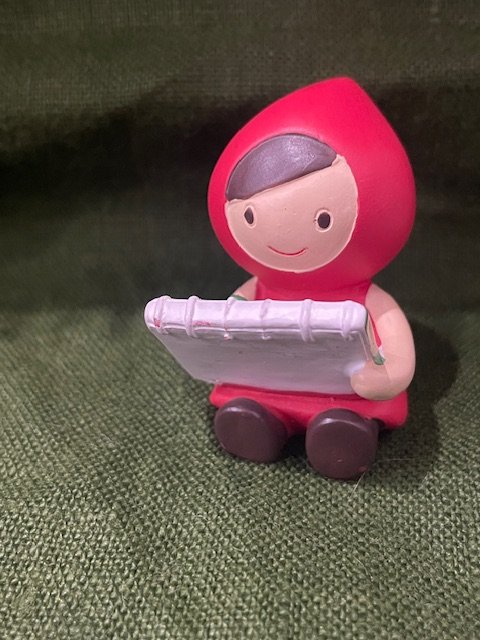
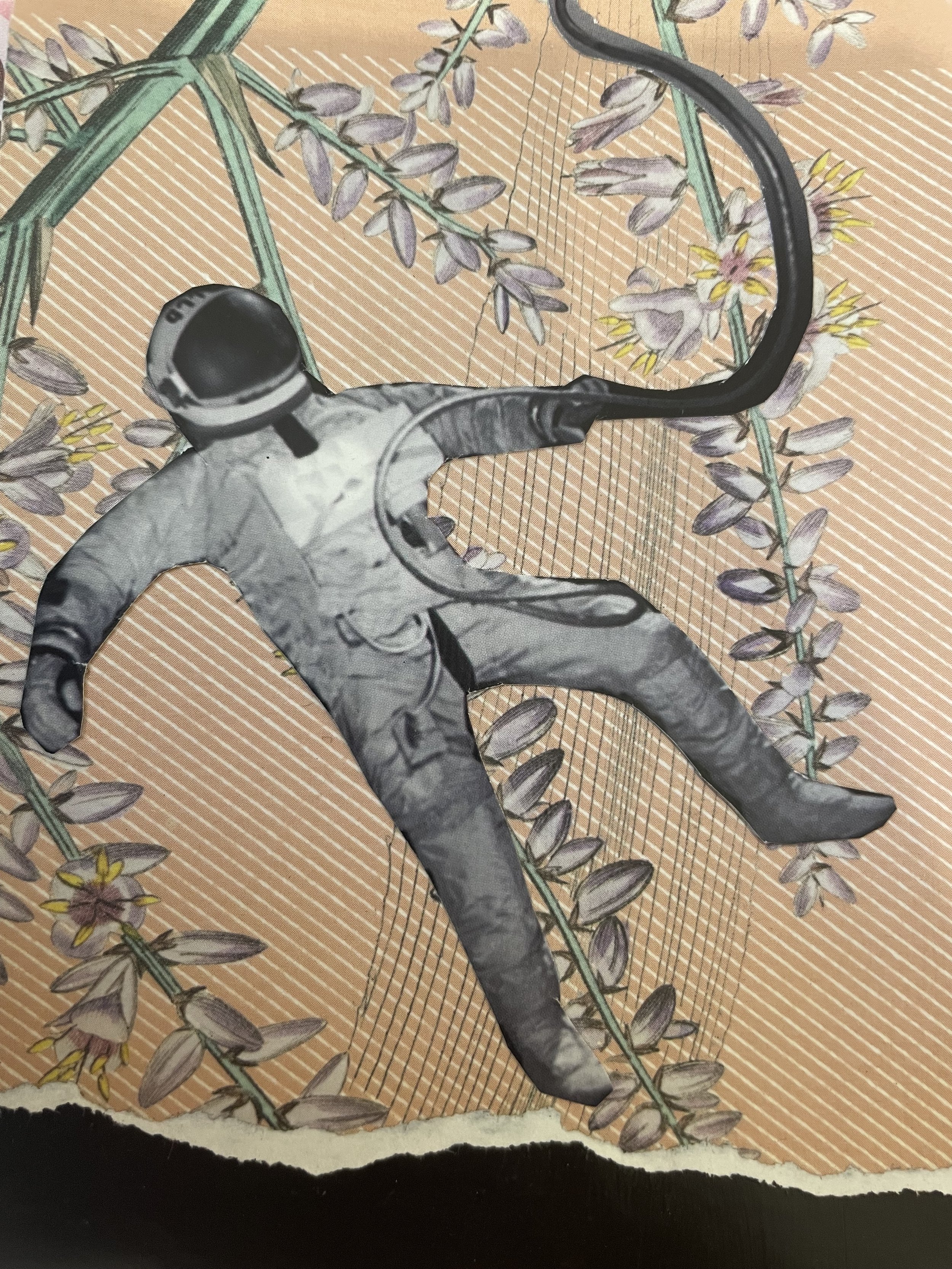
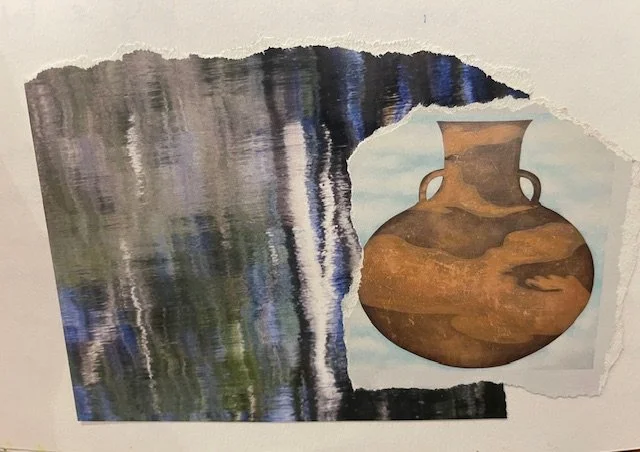
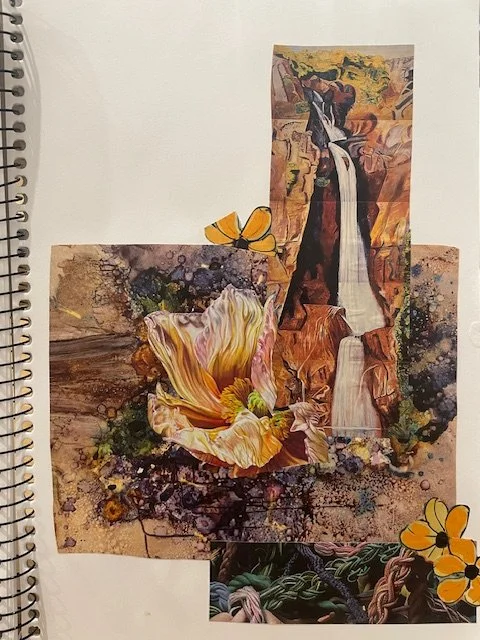
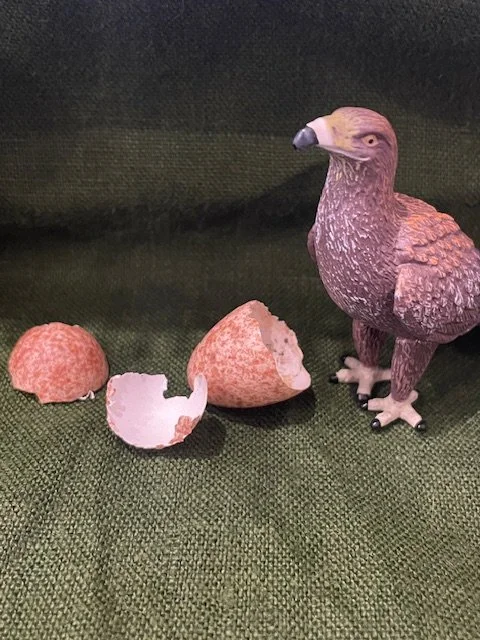
As you look at each of these images, do any resonate? Is that a ‘good girl’ part or a ‘check-list keeper’? Is the space-person blissfully exploring, or lost? How might you represent parts of your system?